How to Avoid Overspending on New Construction Upgrades

New construction homes offer the advantage of customization, but upgrade options can quickly increase the total cost of the home. Many buyers enter the process with a base price in mind, only to find that added features push them beyond their budget. Understanding how to avoid overspending on new construction upgrades helps you stay in control while still building a home that fits your needs.
Start With a Clear Upgrade Budget
Before selecting any upgrades, it is important to set a separate and realistic budget specifically for upgrades. This keeps spending aligned with your overall financial plan and prevents decisions from being made impulsively during the selection process.
Having a defined limit allows you to evaluate each upgrade based on value rather than convenience or pressure.
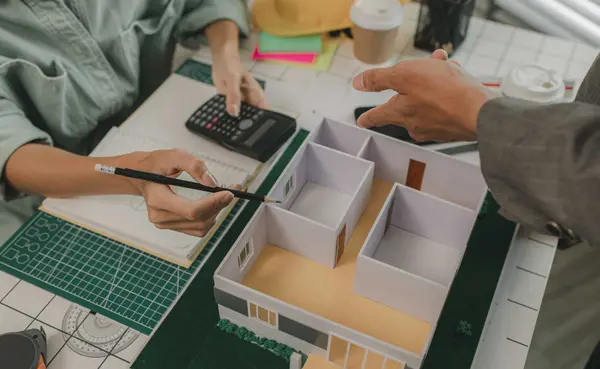
Prioritize Structural and Layout Changes First
Structural upgrades are often the most difficult and expensive to change after construction is complete. Decisions related to layout, room additions, and ceiling height should be addressed early.
Focusing your budget on these elements ensures that the home functions properly long term, while cosmetic details can be adjusted later if needed.
Be Selective With Builder Upgrade Packages
Builders often offer upgrade packages that bundle multiple features together. While these may seem convenient, they can include items you do not need or could install later at a lower cost.
Review each option carefully and choose only the upgrades that provide clear long-term value or cannot be easily added after construction.
Compare Costs With Post-Construction Options
Not all upgrades are best purchased through the builder. Some finishes and features can be installed after closing at a lower cost and with more flexibility.
Comparing builder pricing with local contractors or retail options helps you identify where you can save without sacrificing quality.
Focus on Long-Term Value Over Appearance
It is easy to prioritize visual upgrades during the selection process, but not all of them add lasting value. Features that improve efficiency, durability, and functionality tend to provide better long-term returns.
Shifting your focus toward performance rather than appearance helps ensure your investment supports both daily living and future resale.
Avoid Over-Customization
Personalizing your home is part of the appeal of new construction, but excessive customization can increase costs and limit future market appeal.
Choosing neutral and adaptable features allows the home to remain versatile while still meeting your current needs.
Understand What Is Included in the Base Price
Some buyers overspend simply because they do not fully understand what comes standard with the home. Builders often include more features than expected, and upgrading unnecessarily can increase costs without adding real benefit.
Reviewing the base specifications helps you avoid duplicating features that are already sufficient.
Take Time Before Making Decisions
Upgrade selections are often made in a short period of time, which can lead to rushed decisions. Taking time to review options and compare priorities helps prevent unnecessary spending.
Approaching each decision with a clear purpose ensures that upgrades are intentional and aligned with your goals.
Plan for Future Improvements
Not every upgrade needs to be completed during construction. Planning for future improvements allows you to spread out costs and make changes based on how you use the home.
This approach provides flexibility while keeping initial expenses under control.
Work With the Right Real Estate Team
Having experienced guidance during the building process can help you evaluate upgrade decisions more effectively. A knowledgeable real estate team can provide insight into which upgrades are worth the investment and which ones can be skipped.
With the right support, you can stay within budget while still achieving the features that matter most.
Final Thoughts
Avoiding overspending on new construction upgrades requires clear priorities, careful planning, and an understanding of where to invest. By focusing on structural changes, comparing costs, and staying within a defined budget, you can build a home that meets your needs without unnecessary expenses.
The Home & Lifestyle Team helps buyers navigate new construction decisions with confidence, offering guidance on upgrades, builder options, and long-term value to ensure every choice supports your goals.