Holistic Wellness Lifestyle in Real Estate
A holistic wellness lifestyle in real estate focuses on how a home supports physical health, mental well-being, and daily habits. Buyers are no longer choosing properties based on size and price alone. They are also evaluating how a home environment affects stress levels, productivity, sleep quality, and overall lifestyle.
Understanding how holistic wellness applies to real estate can help buyers make better decisions and help sellers position their properties more effectively.
What Holistic Wellness Means in Real Estate
Holistic wellness in real estate refers to creating or choosing a living space that supports multiple aspects of well-being. This includes physical comfort, mental clarity, emotional balance, and healthy routines.
In practical terms, this means evaluating:
- Air quality inside the home
- Natural light exposure
- Noise levels
- Layout and flow of space
- Access to outdoor areas
A home that supports holistic wellness is designed to reduce stress and improve daily living, not just provide shelter.
Natural Light and Indoor Environment
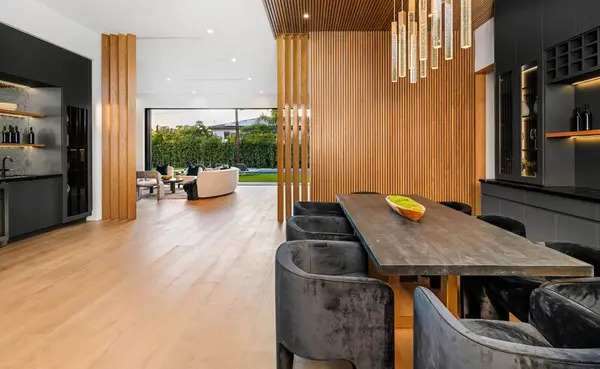
Natural light is one of the most important elements of a holistic wellness lifestyle in real estate. Homes with good natural light can improve mood, regulate sleep patterns, and reduce the need for artificial lighting.
Buyers should look for:
- Large windows and open layouts
- Proper window orientation for sunlight throughout the day
- Minimal obstructions blocking natural light
Indoor air quality is also critical. Ventilation, filtration systems, and the absence of pollutants can impact respiratory health and comfort. Homes with updated HVAC systems and proper airflow are better suited for long-term wellness.
Functional Layout and Daily Living
The layout of a home directly affects how people move, work, and relax. A well-designed layout supports daily routines without creating unnecessary stress.
Important layout considerations include:
- Clear separation between work and rest areas
- Efficient kitchen and living space flow
- Adequate storage to reduce clutter
Clutter and poor space planning can increase stress and reduce productivity. Buyers looking for a holistic wellness lifestyle should prioritize functionality over square footage.
Access to Outdoor Spaces
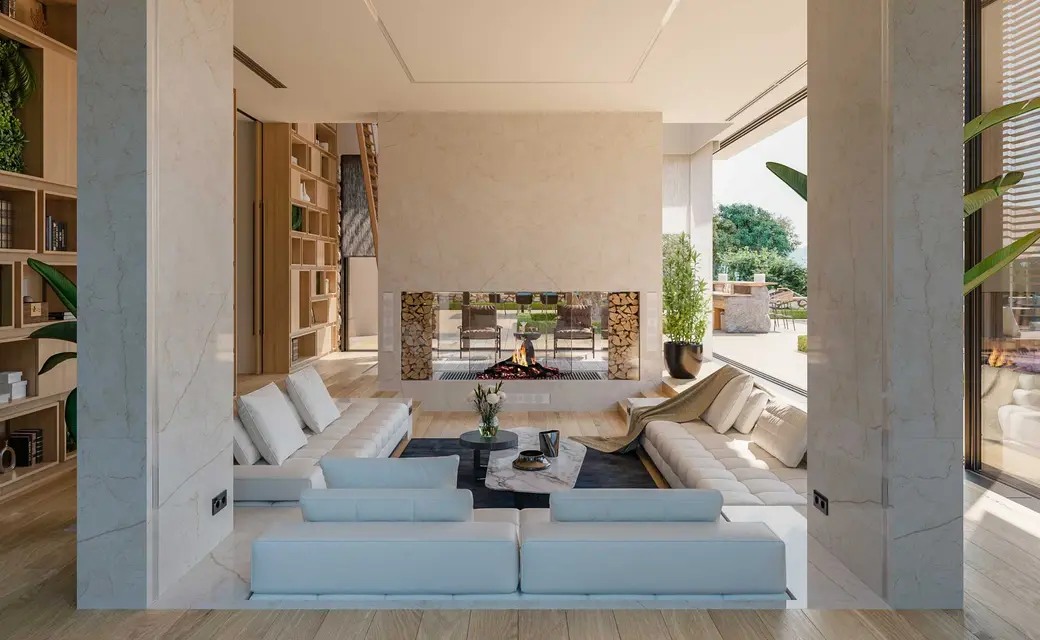
Outdoor access plays a major role in supporting a holistic wellness lifestyle in real estate. Time spent outdoors is linked to better mental health and physical activity.
Features that support this include:
- Private yards or gardens
- Balconies or patios
- Proximity to parks or walking trails
Even small outdoor spaces can provide benefits if they are usable and accessible. Buyers should consider how easily they can incorporate outdoor time into their daily routine.
Noise Levels and Privacy
Noise is often overlooked but has a direct impact on stress and focus. Homes located near busy roads, commercial areas, or high-density housing can have higher noise levels.
When evaluating a property, consider:
- Traffic noise during different times of day
- Proximity to schools, businesses, or construction areas
- Sound insulation within the home
Privacy also contributes to mental well-being. Adequate spacing between homes, fencing, and thoughtful layout design can improve comfort.
Location and Lifestyle Alignment
Location is a key factor in achieving a holistic wellness lifestyle. A home should support your daily habits and reduce friction in your routine.
Important location factors include:
- Distance to work or remote work suitability
- Access to grocery stores and essential services
- Availability of fitness centers, parks, or wellness facilities
Long commutes and limited access to daily needs can increase stress over time. Choosing the right location helps maintain balance and consistency.
Materials and Home Quality
The materials used in a home can affect both health and maintenance. Some building materials release pollutants or require frequent upkeep, which can impact long-term comfort.
Buyers should look for:
- Non-toxic finishes and materials when possible
- Durable construction that reduces maintenance stress
- Proper insulation for temperature control
Energy-efficient homes also contribute to wellness by maintaining stable indoor conditions and reducing utility costs.
Smart Home Features and Convenience
Technology can support a holistic wellness lifestyle when used to improve comfort and efficiency. Smart home features can simplify daily tasks and create a more controlled environment.
Examples include:
- Smart thermostats for temperature regulation
- Lighting systems that adjust based on time of day
- Security systems that improve peace of mind
These features help reduce mental load and create a more predictable living environment.
Long-Term Value of Wellness-Focused Homes
Homes designed around holistic wellness are becoming more attractive in the real estate market. Buyers are placing higher value on properties that support health and lifestyle, not just aesthetics.
This can lead to:
- Stronger resale potential
- Increased buyer demand
- Better long-term satisfaction for homeowners
Sellers who highlight wellness features can differentiate their property in competitive markets.
Final Thoughts
A holistic wellness lifestyle in real estate goes beyond design trends. It focuses on how a home supports daily living, health, and long-term well-being. Buyers should evaluate natural light, layout, air quality, outdoor access, and location to ensure the property aligns with their lifestyle.
Making decisions based on wellness can lead to better living conditions and more sustainable homeownership over time.